Press release
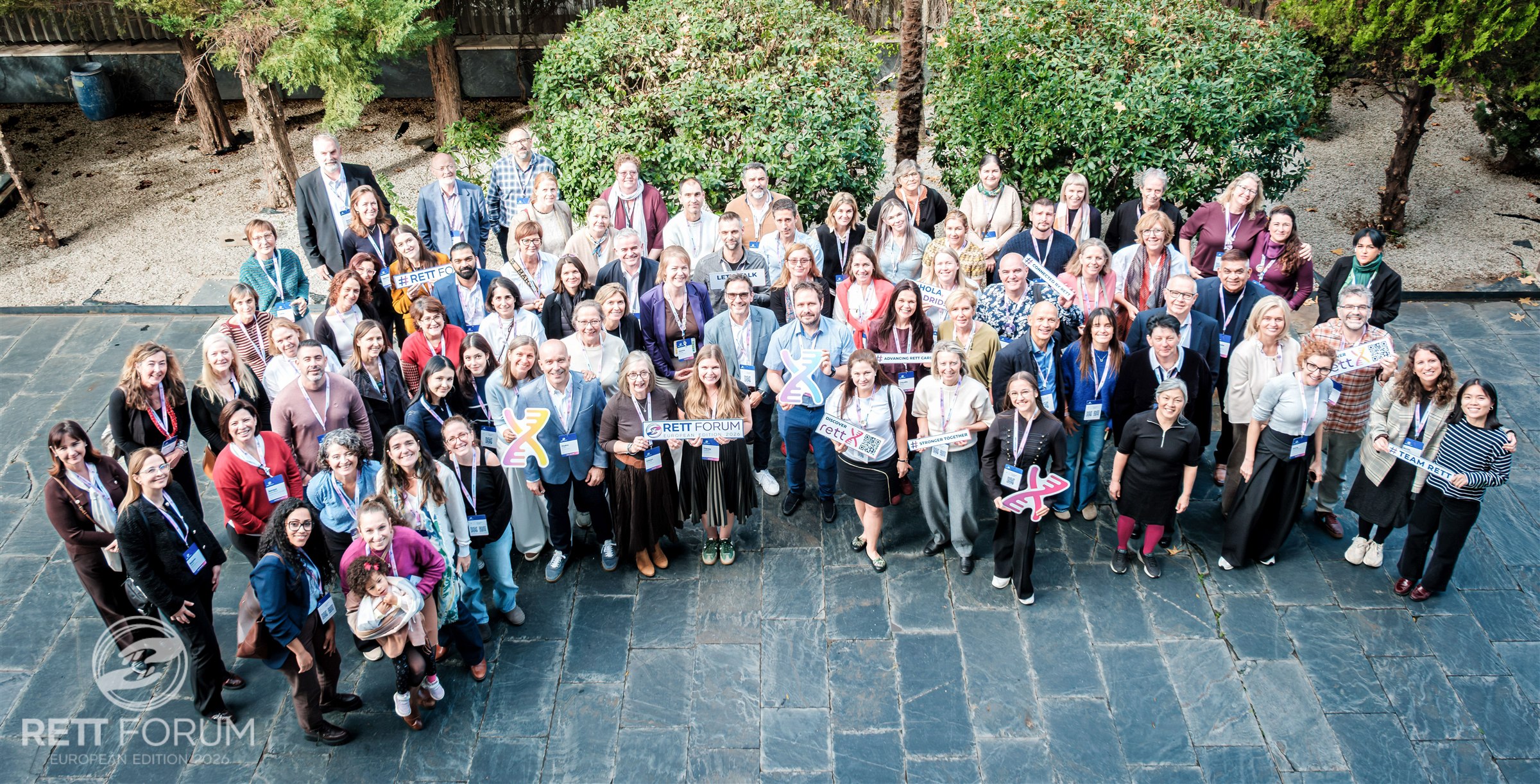
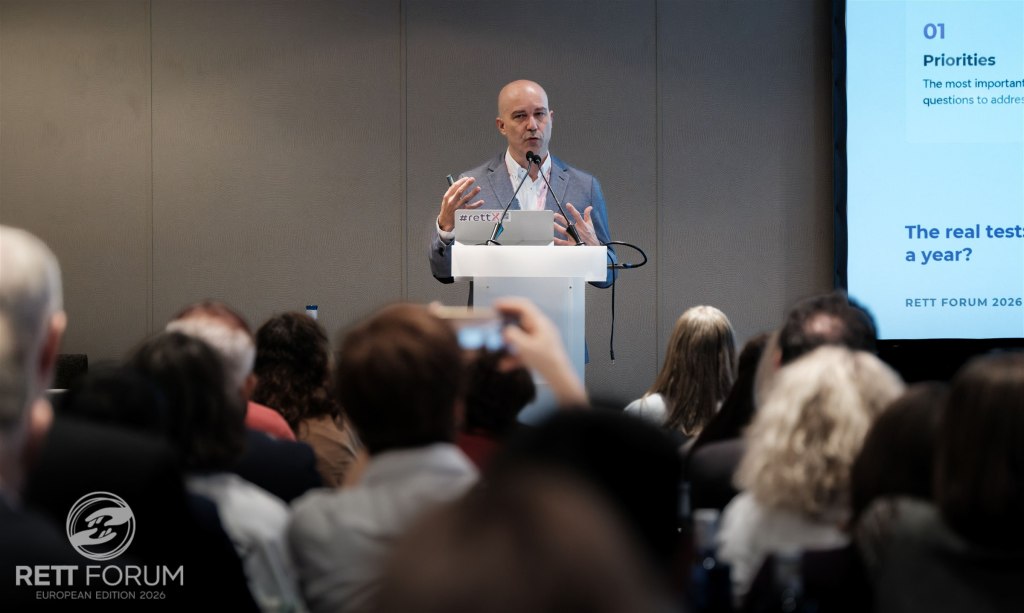
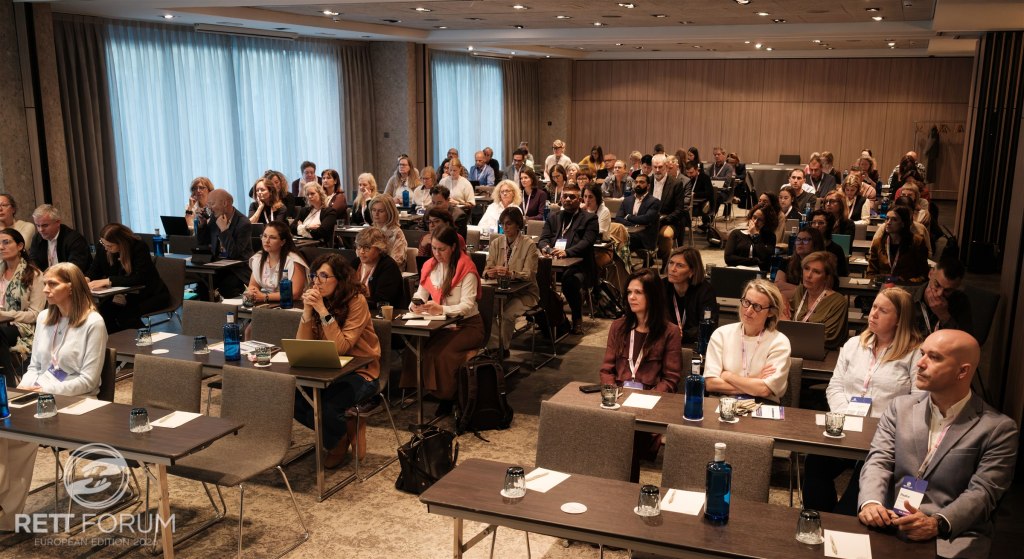
Madrid, 10 November 2026 – Rett Forum 2026, organised by Rett Syndrome Europe (RSE), concluded on Sunday in Madrid after three days of intensive work. More than 100 clinicians, researchers, patient and family representatives, national Rett associations, scientific experts and industry partners from over 30 countries met to take a first step towards a more coordinated, evidence-based and patient-centred approach to Rett syndrome care and research across Europe.
Access to appropriate care for people with Rett syndrome remains uneven across Europe. The Forum was conceived as the start of a long-term process rather than a one-off event, to address three connected challenges: fragmented clinical practice, fragmented research and expertise, and the need to turn therapeutic progress into better everyday care. Its aim is to lay the foundations for European consensus-based standards of care, developed jointly by scientific experts and the Rett community.
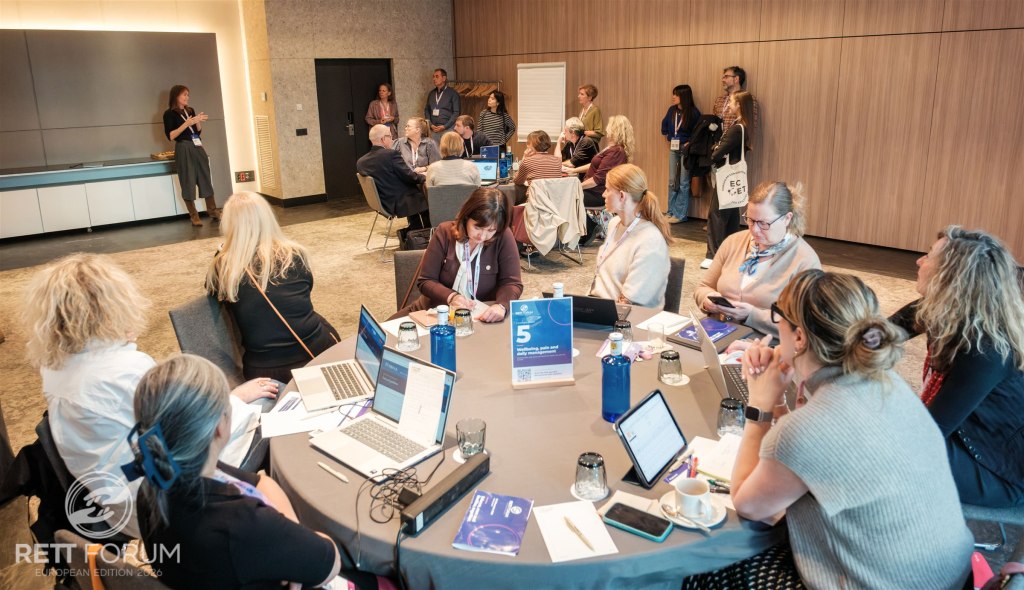
Participants were asked not only to identify gaps, but to leave with priorities, owners and plans. Six working groups, each coordinated by members of RSE’s Scientific Advisory Board, spent two and a half days turning broad topics into concrete questions:
- The communication group will build on the Rett Syndrome Communication Guidelines, first published in 2020, with practical resources for clinics and everyday life.
- The neurology and daily-management groups (pain, sleep and mental health) began framing the clinical questions that will guide evidence reviews.
- The nutrition and gastrointestinal group, the smallest, will map specialists across Europe, reflecting how hard it is to find expertise in this area.
- The mobility group set out recommendations on motor function, scoliosis, gait and bone health.
- The clinical trial readiness group assigned leads to a pan-European patient registry, a manifesto inviting families to register, a mapping of trial sites and consensus on trial endpoints.

Beyond the working groups, a plenary session looked at patient involvement in the regulatory process, with a contribution from the European Medicines Agency’s Committee for Advanced Therapies. RSE’s General Assembly approved its 2027–2029 strategic plan.
The groups will hold their first follow-up meetings in December 2026 and will share progress at the 9th European Rett Summit, on 4–6 March 2027.
“If you want to go fast, go alone. But if you want to go far, go together. In Madrid, we chose to go far, and to do it together. We did not solve everything in one weekend, but we listened to one another, identified priorities and agreed how to move forward, in Madrid and afterwards,”
said Pedro Rocha, President of Rett Syndrome Europe.

The Forum was made possible through financial contributions from RSE member associations and grants from industry partners. Its scientific work is led independently by RSE’s Scientific Advisory Board.
About Rett syndrome
Rett syndrome is a rare neurodevelopmental disorder that mainly affects girls and causes significant difficulties with speech, purposeful hand use and movement, with many people requiring a wheelchair for mobility. It can also involve epilepsy, breathing irregularities, feeding and gastrointestinal difficulties, sleep disturbances, scoliosis and reduced bone density, creating complex, lifelong needs that require coordinated care across different specialties.
About Rett Syndrome Europe
Rett Syndrome Europe (RSE) is the European federation of national Rett syndrome associations. It represents people with Rett syndrome and their families and works to improve their care and quality of life across Europe.
More information: www.rettforum.eu · Press contact: Pedro Rocha, procha@rettsyndrome.eu
From the Forum
Rett Forum 2026 in pictures
Select a photograph to enlarge it.