Scientific Advisory Board
Meet the board.
Full biographies of the clinicians and researchers who guide RSE’s scientific work.

Mariëlle van den Berg
Orthopedic surgeon (Chair, RSE Scientific Advisory Board)
Orthopedic surgeon with over twenty years of experience and, from 2027, an IDD physician. Chair of the RSE Scientific Advisory Board, with research focused on mobility, scoliosis, bone health, communication and education in Rett syndrome.
Read full bio →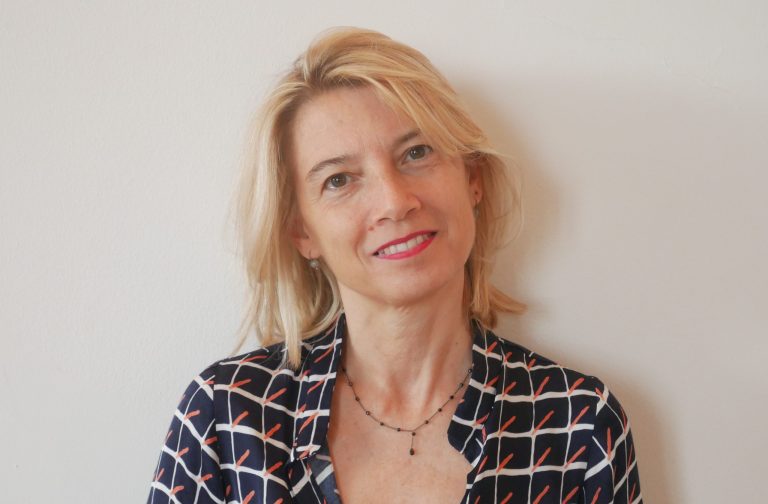
Aglaia Vignoli, MD
I began working with people with Rett Syndrome at San Paolo Hospital in Milan in 2005, and soon after that in 2006 I had the opportunity to visit the Rett Clinic directed by Dr Budden in Portland, Oregon, USA.
Read full bio →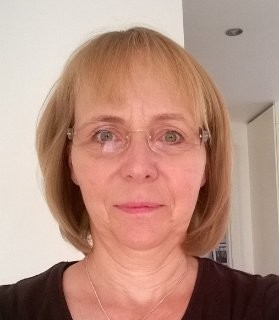
Anne-Marie Bisgaard, MD, PhD
I am a consultant paediatrician specialising in paediatric neurology and rare diseases. I work at the Center for Rett Syndrome and Center for Rare Diseases at the University Hospital Rigshospitalet in Copenhagen, Denmark.
Read full bio →
Bernd Wilken, MD
Department of Pediatrics, University of Göttingen · Head of Neuropediatrics & Social Pediatrics Centre, Klinikum Kassel, Germany
Professor of Pediatrics at the University of Göttingen and Head of the Neuropediatrics & Social Pediatrics Centre at Klinikum Kassel. Medical advisor to the German Rett Elternhilfe e.V. since 2004.
Read full bio →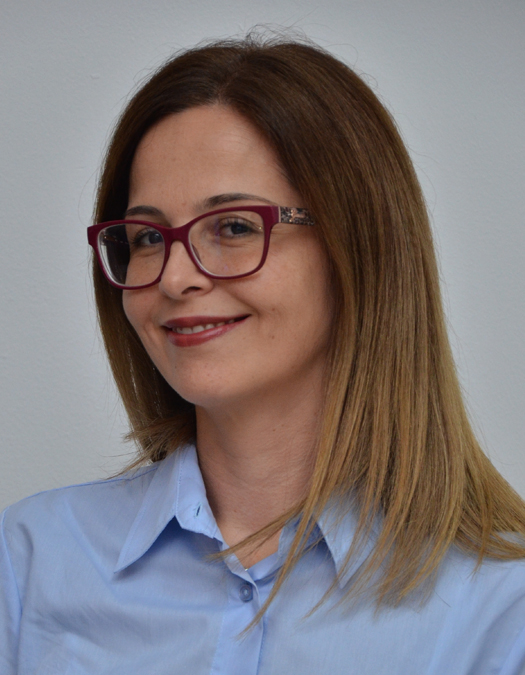
Bojana Milanov, MD
Clinical biochemistry specialist based in Serbia with more than a decade of experience in laboratory medicine and diagnostics. Board Member of Rett Syndrome Europe since 2020.
Read full bio →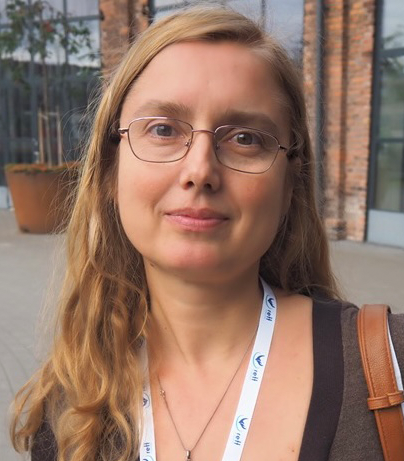
Danijela Szili, PhD
Danijela Szili has been active as a parent, and patient advocate since 2011. Being a pharmacist and having a multilingual background has helped her a great deal in her charity work.
Read full bio →
Gillian Townend, CertMRCSLT, PhD
Dr Townend (Gill) is a Speech and Language Therapist with longstanding clinical and research experience especially in the field of Augmentative and Alternative Communication (AAC).
Read full bio →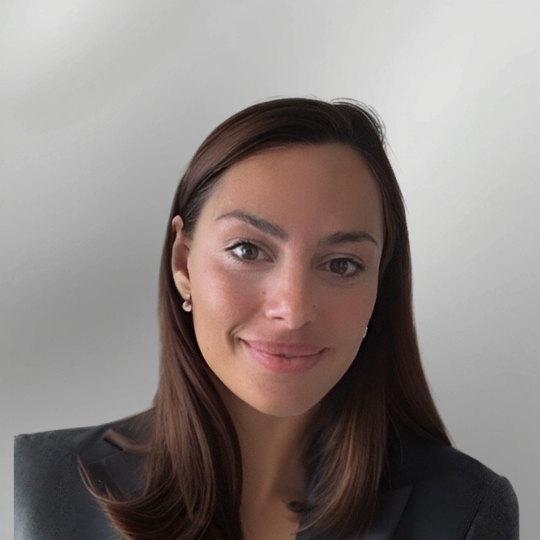
Gvantsa Kvantaliani, MD
Medical Center Mrcheveli, Department of Pediatrics, Tbilisi, Georgia · Patient advocate
Board-certified pediatrician and rare disease advocate based in Tbilisi, Georgia. Founder of the Georgian Rett Syndrome and Other Rare Diseases Association and mother of a daughter with Rett syndrome.
Read full bio →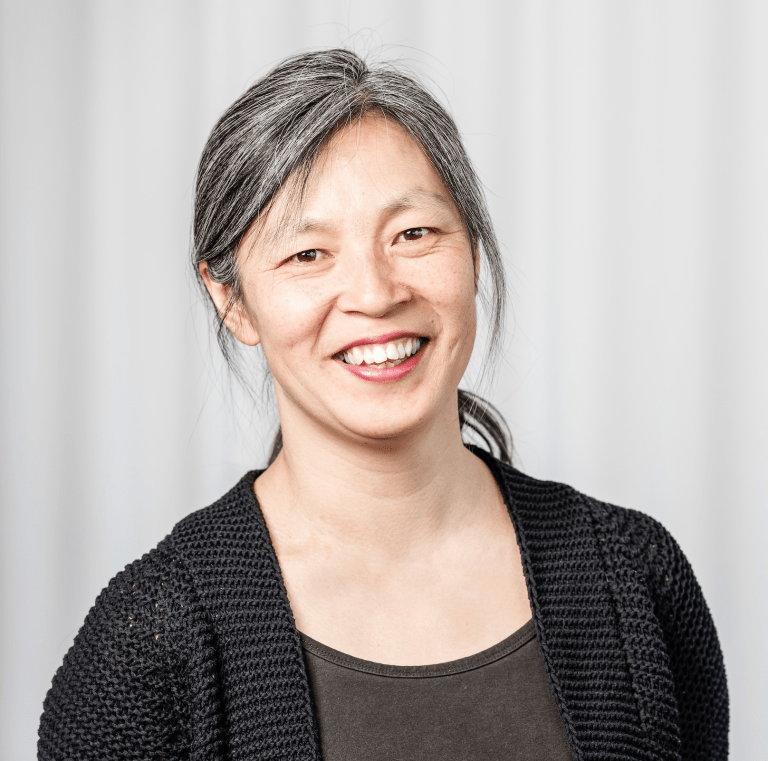
Helena Wandin, SLT, PhD
I work as a Speech Language Therapist (SLT) at the Swedish National Center for Rett Syndrome and Related Disorders. Since 2021, I am also an associated researcher at Uppsala University.
Read full bio →
Jean-Christophe Roux, PhD
Jean-Christophe ROUX (MMG) achieved his academic education at Claude Bernard University in Lyon France, where he obtained a PhD in Physiology.
Read full bio →
Karen Spruyt, PhD, HDR
Professor Karen Spruyt, PhD, HDR, National Institute of Medicine and Health (INSERM) – NeuroDiderot, Université de Paris (France), earned her degree in child, adolescent, and adult clinical psychology in Belgium.
Read full bio →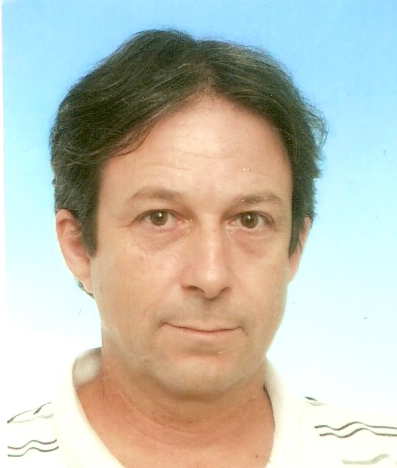
Meir Lotan, MScPT, PhD
Professor Meir Lotan, MScPT, PhD is a physiotherapist working as a senior lecturer at the School of Health Sciences, Department of Physical Therapy, Ariel University Center of Samaria, Ariel, Israel.
Read full bio →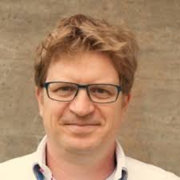
Peter Marschik, DPhil, PhD
Dr. Marschik got his doctoral degree in Clinical Linguistics at the Karl-Franzens University of Graz and his doctoral degree in Medical Sciences at the Medical University of Graz.
Read full bio →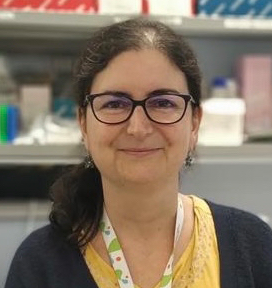
Sonia Guil, PhD
I am a molecular biologist and lead the research group: “Regulatory RNA and chromatin” at the Josep Carreras Research Institute (IJC) in Badalona, Spain, where our main focus is the study of RNA biology and the epigenetic regulation in disease.
Read full bio →
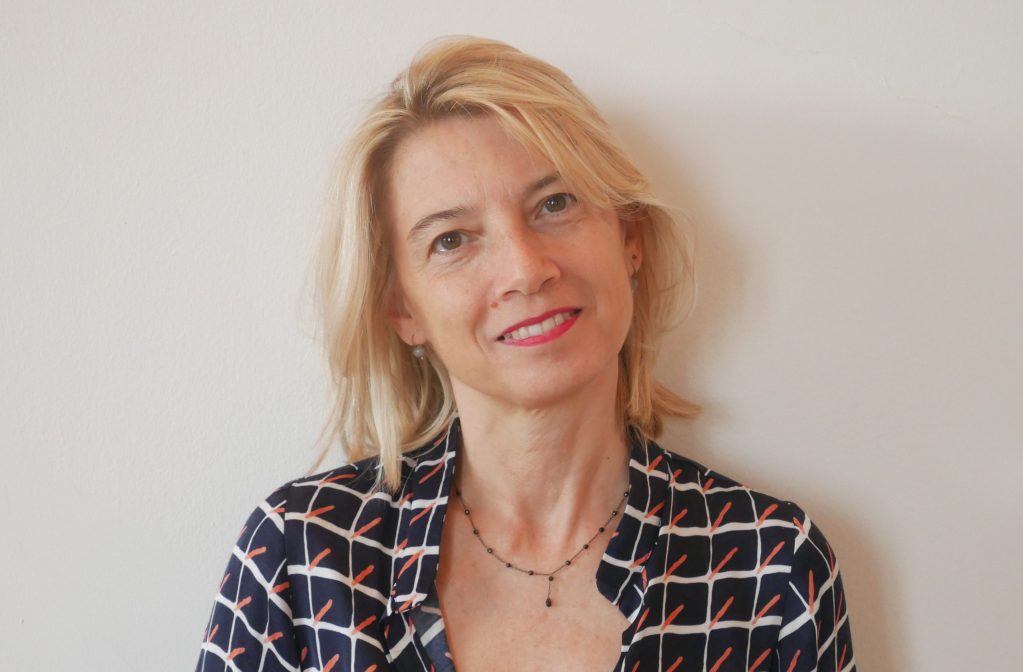
Mariëlle van den Berg
Orthopedic surgeon (Chair, RSE Scientific Advisory Board)
Mariëlle van den Berg is an orthopedic surgeon with over twenty years of experience and will, from March 2027, also be an IDD physician. Her approach combines evidence-based medicine with individual, patient-centered care. Having a daughter with Rett syndrome urged her to join the Rett community and contribute both personally and professionally.
Her Rett-related research focuses on mobility, scoliosis, bone health, communication and education. She served for 17 years as president of the Dutch Rett Syndrome Association and now continues as their medical and scientific advisor. She is a member of the RSE board and currently chair of the RSE Scientific Advisory Board. She is also a member of IDD Physicians International.
Through these combined roles she works in national and international collaboration to improve quality of life for individuals with Rett syndrome and their families by integrating patient perspectives into research, cure and care treatments, and into policy discussions.
Aglaia Vignoli, MD
I began working with people with Rett Syndrome at San Paolo Hospital in Milan in 2005, and soon after that in 2006 I had the opportunity to visit the Rett Clinic directed by Dr Budden in Portland, Oregon, USA.
Since then, Rett Syndrome has become one of my main research interests. I have contributed to further characterizing the neurophysiological features of this syndrome (e.g. stereotypies, response to antiepileptic drugs, neurophysiological and cognitive characteristics). Working in a multidisciplinary team, I coordinated a panel of consultants in Italy, and developed recommendations for the diagnosis and management of Rett Syndrome at all ages (published online at: www.malattierare.marionegri.it). I have also been involved in the development and implementation of the Rett Network Database (https://www.rettdatabasenetwork.org), as a local Coordinator.
My other areas of research are childhood complex epilepsies, especially their therapeutic issues, and genetic and rare disorders with neurological involvement.
My noteworthy expertise in rare disorders and epilepsy is recognized also by my social activity on newspapers and websites, and by collaborations with patients’ organizations.
Selected publications
- Phenotypes in adult patients with Rett Syndrome: results of a 13-year experience and insights into healthcare transition Full text ↗
Anne-Marie Bisgaard, MD, PhD
I am a consultant paediatrician specialising in paediatric neurology and rare diseases. I work at the Center for Rett Syndrome and Center for Rare Diseases at the University Hospital Rigshospitalet in Copenhagen, Denmark. I have been Head of the national Danish Rett Center since 2011.
I did my PhD within the clinical genetic area in 2007 (The phenotype of patients with sub-microscopic chromosomal abnormalities and mental retardation. Description of new microdeletion syndromes). Since then, my research focus has been on neurodevelopmental disorders, which in recent years mainly has been within Rett syndrome and related disorders, and Cornelia de Lange syndrome. The focus is both on the molecular causes and mechanisms for disease and on clinical issues and how to manage these.
My clinical work focuses on different rare diseases, including Rett syndrome. At the Rett Center, individuals with Rett syndrome are followed life-long on a regular basis by a multidisciplinary team. The visits result in an individual report concerning management of medical, physiotherapeutic, behavioural and communicative issues. The Center also offers counselling to local institutions such as kindergarten, schools, day care centers and residential facilities, as well as to local healthcare professionals.
You can read more about my work here Research in the clinic for Rett syndrome
Selected publications
- Is it possible to diagnose Rett syndrome before classical symptoms become obvious? Review of 24 Danish cases born between 2003 and 2012 Full text ↗

Bernd Wilken, MD
Department of Pediatrics, University of Göttingen · Head of Neuropediatrics & Social Pediatrics Centre, Klinikum Kassel, Germany
Areas of expertise: neuropediatric and social pediatric care; clinical research in Rett syndrome.
Dr. Bernd Wilken has been Head of the Department of Neuropediatrics and Social Pediatrics Centre at Klinikum Kassel, Germany since 2003, and Professor at the Department of Pediatrics, University of Göttingen since 2009. He has served as Consultant for Pediatric Neurology at Klinikum Kassel since 2005, following his Habilitation in Pediatrics at Göttingen in 2001 and his pediatric residency at the University of Lübeck.
He has been a medical advisor to the German Rett Elternhilfe e.V. since 2004 and a regular examinant for Pediatric Neurology in the state of Hessen since 2005.
His Rett-related research focuses on the clinical and epidemiological characterisation of patients seen in the outpatient clinic, including monitoring of respiration, heart rate and EEG to identify specific breathing patterns. His broader research interests include neuroprotection during hypoxia (in vivo and in vitro models) and 1H-MR spectroscopy for evaluating metabolic patterns in children with metabolic and white-matter disorders.
Bojana Milanov, MD
Bojana Milanov, MD, is a clinical biochemistry specialist based in Serbia, with more than a decade of experience in laboratory medicine, diagnostics, and clinical support. Her professional work focuses on biochemical and laboratory diagnostics, interpretation of complex laboratory findings, and collaboration with multidisciplinary medical teams to improve diagnostic accuracy and patient care. Through her daily clinical practice, she is actively involved in maintaining high standards in healthcare quality and laboratory medicine.
Alongside her medical career, she is strongly engaged in the field of rare diseases and patient advocacy. Since 2020, she has served as a Board Member of Rett Syndrome Europe, contributing to international cooperation, awareness initiatives, and activities aimed at improving support systems and diagnostic pathways for individuals living with Rett syndrome and other rare conditions.
Her particular interests include rare disease diagnostics, the psychosocial impact of diagnostic uncertainty, interdisciplinary collaboration, and strengthening communication between healthcare professionals, patients, and families. She combines scientific expertise with empathy, volunteer engagement, and a strong commitment to patient-centered care.
Danijela Szili, PhD
Danijela Szili has been active as a parent, and patient advocate since 2011. Being a pharmacist and having a multilingual background has helped her a great deal in her charity work. She has been the chairwoman of the Hungarian Rett Syndrome Foundation (https://rettszindroma.hu/) since 2011. Danijela was a member of the RSE board for 9 years. Her volunteer work for the DITA Task Force (https://www.eurordis.org/content/dita-task-force) provided her with the training and possibilities to participate and be involved in different areas of medicinal product development, regulation and access in Europe. She is a registered expert for Rett syndrome in the EMA (European Medicines Agency) list of European experts. She was involved in the protocol assistance procedure for the Sarizotan HCL clinical trial in 2015. She was one of the participants at the SAWP meeting at the EMA for this product. On her initiative, RSE decided to get more involved in research and formed a Research Subcommittee in 2019. This is now incorporated into the RSE Scientific Advisor Board.
Gillian Townend, CertMRCSLT, PhD
Dr Townend (Gill) is a Speech and Language Therapist with longstanding clinical and research experience especially in the field of Augmentative and Alternative Communication (AAC). She is currently a Lecturer (Speech and Language Therapy) and researcher at the University of Reading, UK, and Research Lead for Rett UK. She was formerly a researcher at the Rett Expertise Centre Netherlands (NL).
From 2016, Gill led the project team behind the development of the Rett Syndrome Communication Guidelines (with funding from the International Rett Syndrome Foundation). The original (English language) Guidelines were published in March 2020; since then, Gill has worked with Rett associations around the world to translate the Guidelines into other languages. She currently leads a number of research projects exploring the global impact and implementation of the Rett Syndrome Communication Guidelines; adapting language and communication assessments for people with Rett syndrome and other physical disabilities; development of a tool for analysing interactions between people with Rett syndrome and their communication partners; and working with lived experience partners to co-produce educational resources to enhance communication support for people with Rett syndrome.
Dr Townend is co-founder of support and training networks for Speech and Language Therapists who work with individuals with Rett syndrome in the UK and NL, and a communication support network for families in the UK.
Selected publications
- Development of consensus-based guidelines for managing communication of individuals with Rett syndrome Full text ↗
Gvantsa Kvantaliani, MD
Medical Center Mrcheveli, Department of Pediatrics, Tbilisi, Georgia · Patient advocate
Areas of expertise: general pediatrics, rare and genetic diseases, clinical research.
Dr. Gvantsa Kvantaliani is a board-certified pediatrician and rare disease advocate with over seven years of experience in clinical research across both sites and international research settings. Her medical background includes direct patient care in pediatric and inherited metabolic and rare neurological diseases. Rett syndrome is a central focus of her professional and advocacy work.
She is Founder and Board Director of the Georgian Rett Syndrome and Other Rare Diseases Association and Co-Chair of the Georgian Alliance for Rare Diseases. Through these roles, she works to strengthen international collaboration, improve access to clinical trials and innovative therapies, and ensure that patient perspectives are meaningfully integrated into research and policy discussions.
As both a physician and a mother of a daughter with Rett syndrome, Dr. Kvantaliani brings a dual perspective combining clinical expertise, research experience, and lived understanding of the challenges faced by families affected by Rett syndrome.

Helena Wandin, SLT, PhD
I work as a Speech Language Therapist (SLT) at the Swedish National Center for Rett Syndrome and Related Disorders. Since 2021, I am also an associated researcher at Uppsala University. My work at the National Center allows me to combine research with clinical work, including cross professional assessments, education and developing resources that are of immediate practical use for individuals and families. I truly appreciate the chance to disseminate research, for example during recurrent courses in Rett syndrome for families and care assistants.
Augmentative and alternative communication (AAC) has been an interest of mine since I started work as an SLT a little more than 25 years ago. My research interest is communication support with a specific focus on AAC, communication partner strategies and participation. Some of the projects I’ve taken part in are:
- developing international guidelines for communication in Rett syndrome.
- introducing eye-gaze devices to families in China
- investigating interaction between individuals with multiple disabilities and their peers
My PhD thesis was entitled “Symbol-based communication intervention for individuals with Rett syndrome: Current practices, assessment of visual attention, and communication partner strategies”. One of the studies included three adult participants and investigated the effect of an intervention package on visual attention and communication using an eye-gaze device. This is the first intervention study with a single case experimental design in which eye-gaze devices and a larger vocabulary were investigated.
Selected publications
- Aided language modelling, responsive communication and eye-gaze technology as communication intervention for adults with Rett syndrome: three experimental single case studies Full text ↗
Jean-Christophe Roux, PhD
Jean-Christophe ROUX (MMG) achieved his academic education at Claude Bernard University in Lyon France, where he obtained a PhD in Physiology. As a postdoc at the Karolinska Institute, he participated in research on the development of respiratory control at birth and how environmental perturbations could affect it. As part of the human neurogenetics team led by Dr Laurent Villard, Jean-Christophe Roux has been in charge of Rett Syndrome and associated pathologies since 2006. His group is studying mouse models of Mecp2 dysfunctions and his work led to the implementation of two clinical trials (phase 2a) with Rett patients. The first trial deals with the stimulation of the monoaminergic neurotransmission and the second with the trophic support. Recently, he has developed innovative approaches using gene therapy targeting the brain.
Selected publications
- Huntingtin phosphorylation governs BDNF homeostasis and improves the phenotype of Mecp2 knockout mice Full text ↗
Karen Spruyt, PhD, HDR
Professor Karen Spruyt, PhD, HDR, National Institute of Medicine and Health (INSERM) – NeuroDiderot, Université de Paris (France), earned her degree in child, adolescent, and adult clinical psychology in Belgium. Her passion for brain development resulted in an additional master degree in child neuropsychology (Amsterdam, Netherlands) and alongside another master degree in biostatistics (Leuven, Belgium).
She was awarded the doctoral degree and professorship in Brussels (Belgium), based on her work “Pediatric Sleep Problems: a contribution to their identification and relationship with daytime behavior”. While teaching developmental neuropsychology, she started her research career at the University of Louisville and the University of Chicago (United States). She has been a visiting/affiliated professor at the Monash Institute of Medical Research and the Ritchie Center for Baby Health Research (Australia), the University of British Columbia (Canada), the JiaoTong University of Shanghai (China) and the Pontifícia Universidade Católica do Rio Grande do Sul (Brazil).
Dr. Spruyt’s expertise in teaching psychology, its subdisciplines and statistics, has allowed her to interact with multidisciplinary research teams across the world, and to perform translational research in her domains of interest: developmental neuropsychology and somnopathology. Her research has been featured in many international publications, governmental discussions and on TV/radio programs. She has published more than 130 papers in SCI journals, three books and has been invited to give lectures at international sleep conferences in many countries around the world.
Selected publications
- Literature Cases Summarized Based on Their Polysomnographic Findings in Rett Syndrome Full text ↗
Meir Lotan, MScPT, PhD
Professor Meir Lotan, MScPT, PhD is a physiotherapist working as a senior lecturer at the School of Health Sciences, Department of Physical Therapy, Ariel University, Ariel, Israel. He is also affiliated with the Israeli National Rett Syndrome evaluation team. He has been involved in Rett syndrome for the past 29 years, both as a researcher, and therapist.
He has a special interest in physiotherapy, Snoezelen, fear of movement, and physical activity for children and adults with an emphasis on individuals with Rett syndrome. At the moment he is researching remote rehabilitation in Rett syndrome (a joint research implemented in Australia, Denmark and Israel), a study about fear of movement in Rett syndrome (using smart wearable shirts), and a study about scoliosis in Rett syndrome (which has just started in Italy)
My Orchid # is: https://orcid.org/0000-0003-1330-5148
Selected publications
- The Time is Now: The Need for an Intensive, Appropriate Individual Intervention for Individuals with Rett Syndrome Full text ↗
Peter Marschik, DPhil, PhD
Dr. Marschik got his doctoral degree in Clinical Linguistics at the Karl-Franzens University of Graz and his doctoral degree in Medical Sciences at the Medical University of Graz. After his clinical training at the Institute for Sensory and Language Neurology he became Research Fellow at the Institute of Physiology, Center for Physiological Medicine at the Medical University of Graz. After various visiting scientist residences and postgraduate trainings, he worked at the Center for Genetic Disorders of Cognition and Behavior, Kennedy Krieger Institute and the Department of Neurology, Johns Hopkins University School of Medicine in Baltimore (USA). After his return in 2013, he was promoted to Associate Professor. Since 2014 he is affiliated with the Center of Neurodevelopmental Disorders (KIND), Department of Women’s & Children’s Health, Karolinska Institutet, Stockholm Sweden and since 2020 Professor of Interdisciplinary Developmental Psychopathology at the University Medical Center Göttingen, Germany. His interdisciplinary research in the field of Developmental Neuroscience / Systemic Ethology and Developmental Science focuses on neurodevelopmental disorders, neurophysiology, development of neural functions, neuroethology, neurocognitive research / cognitive brain research, neurolinguistics / psycholinguistics, development of laterality, general movement assessment, genetic disorders, communication disorders, speech and language development.
Selected publications
- Regression in Rett syndrome: Developmental pathways to its onset Full text ↗
Sonia Guil, PhD
I am a molecular biologist and lead the research group: “Regulatory RNA and chromatin” at the Josep Carreras Research Institute (IJC) in Badalona, Spain, where our main focus is the study of RNA biology and the epigenetic regulation in disease. The epigenetic dysregulation is prominent in a number of neurological diseases, and for many years we have been interested in uncovering new roles for the noncoding RNAs that are especially enriched in the brain and whose biological function remains unknown. Rett syndrome is mainly caused by the loss-of-function of MeCP2, a master epigenetic regulator, and the lab has been investigating the main pathways affected by its dysregulation to devise new therapeutic strategies. Currently, we are interested in developing new 2D and 3D human neural cell models for the study of the syndrome. Further, the lab is collaborating with companies specialized on epigenetic drugs to test new inhibitors of chromatin modifiers as effective therapeutic agents in the disorder.
I lecture at the University of Barcelona, am an ad-hoc grant reviewer for international funding agencies and have served as special editor for peer-reviewed journals. Research in the lab has been funded by several different public agencies and foundations, including national and international funding bodies. In 2019, the lab was awarded a competitive grant on the first edition of FinRett, which is a joint initiative from the Catalan and the Spanish Rett syndrome associations (ACSR and AESR) to enhance the research on Rett syndrome in Spain. I am in close contact with ACSR and AESR since 2015, and dissemination activities to the families have included open-doors days and meetings with the associations’ spokesmen, and, regular reporting of the team’s advances.
Selected publications
- Analysis of the circRNA and T-UCR populations identifies convergent pathways in mouse and human models of Rett syndrome Full text ↗